「結局、どのCBDグミが1番満足できる?」
こんな悩みを抱えていないだろうか。
この記事では、今までに10種以上のCBDグミを経験した私が、心からおすすめできるCBDグミをランキング形式で紹介する。
つまり「誰でも満足できる”当たり”のCBDグミ」をここで紹介できると自信を持っている。
では、早速見ていこう。
おすすめのCBDグミ7選
今から紹介するCBDグミのランキングは、下記の基準で作成した。
・手頃な価格かどうか
・フレーバーは豊富なのか
・安全性に優れているのか
つまり、満足度が高い順でランキングしたということである。
ちなみに、ランキング作成の話し合いには、6時間を費やした。
適当に順位はつけてないので、このランキングを参考にして後悔することはまずないはずだ。
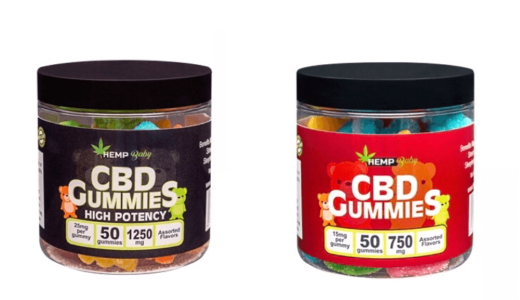
1位 Hemp Baby 1粒25mg版
2位 CBDfx
3位 プラスウィード
4位 グリーンブルドッグ
5位 CANNA NANO
6位 Hemp Baby 1粒15mg版
7位 CBD LIVING
1位 Hemp Baby 1粒25mg版
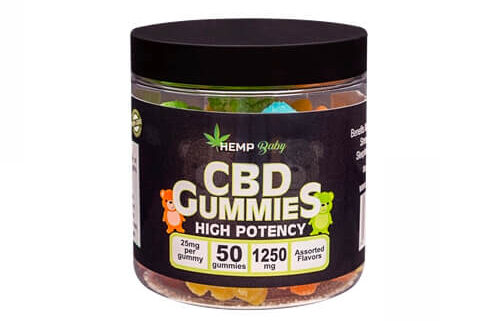
| 内容量 | CBD含有量 | フレーバー | 価格 |
| 5個 | 125mg | 5種 | 1,680円 |
| 25個 | 625mg | 5種 | 7,180円 |
| 50個 | 1250mg | 5種 | 9,800円 |
| 100個 | 2500mg | 5種 | 15,800円 |
Hemp Babyは、CBDグミの中でもだんとつでおすすめできる。
コスパの良さはもちろん、1つのボトルに5種のフレーバーが入っているため、飽きずに楽しめるのが最大の強みだ。
ちなみに私達がおすすめするのは、50個入りタイプである。
ちなみに、フレーバーは下記の5種類。
・レモン
・ソーダ
・オレンジ
・ストロベリー
・グリーンアップル
なお、Hemp Babyには6位で紹介する15mg版もあるのだが、コスパを考えると圧倒的に25mg版の方がおすすめである。
 HEMP Baby(ヘンプベイビー)のグミは満足度がピカイチだった【レビュー】
レビュー:HEMP Baby(ヘンプベイビー)のグミは満足度がピカイチ【ステマなし】
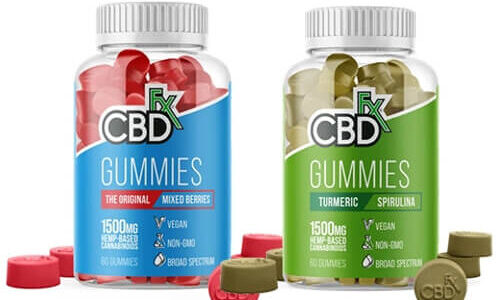
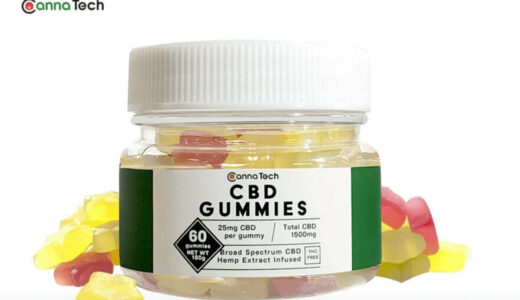
2位 CBD fx
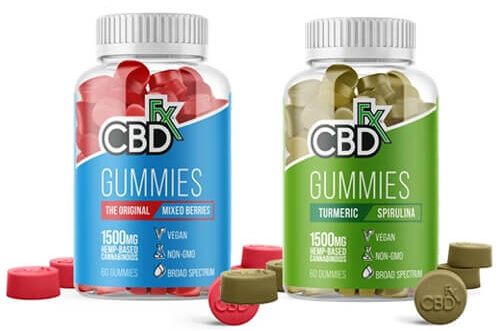
| 内容量 | CBD含有量 | フレーバー | 価格 |
| 8個 | 200mg | 2種 | 1,930円 |
| 60個 | 1500mg | 2種 | 8,930円 |
CBDfxは、「コスパの良さ」が魅力だ。
CBD1mg当たりの価格は1番安く、その上CBDの効き目もしっかりとしているので、満足度は非常に高い。
なおK1王者の武尊選手も愛用しているアイテムであり、Hemp babyに続いて「買って後悔しない一品」という印象がある。
なお、フレーバーは下記の2種類だ。
・アガベベリー
・ミックスベリー
ミックスベリーが無難な味わいであったので、初めての人にはまずミックスベリーをおすすめしておきたい。
 【レビュー】CBDfxのグミはコスパが神だった【あの有名人も愛用する一品】
レビュー:CBDfxのグミはコスパが神だった【あの有名人も愛用する一品】
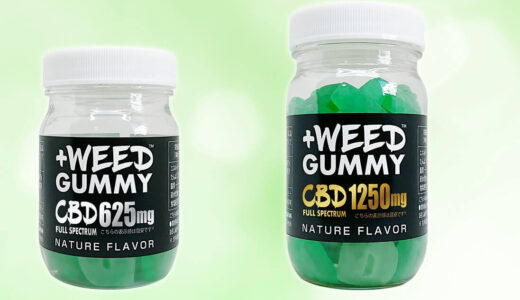
3位 +WEED(プラスウィード)
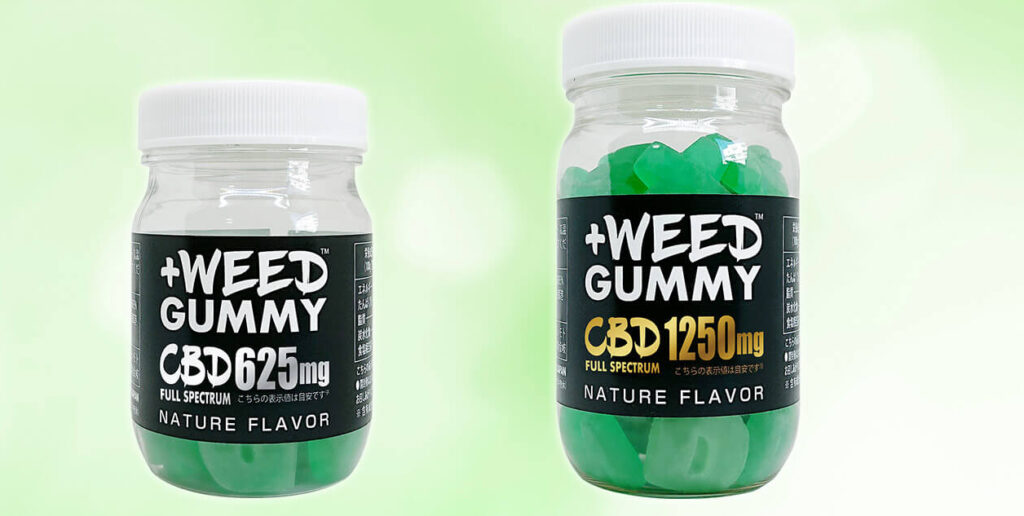
| 内容量 | CBD含有量 | フレーバー | 価格 |
| 25個 | 625mg | 1種 | 5,940円 |
| 50個 | 1250mg | 1種 | 8,640円 |
プラスウィードは、CBDではめずらしい日本のブランドである。
「海外のCBD製品はどうしても不安だ・・」と感じる人にはおすすめであり、お問い合わせフォームもあるため、安心感ではピカイチな印象だ。
しかし、フレーバーは柑橘系の「ネイチャーフレーバー」の1種のみのため、味に焦点を置いている方には残念なポイントになるかもしれない。
とはいえ、満足度が非常に高いCBDグミの1つであることに間違いはない。
 【事実】プラスウィードのグミを30日使った結果【徹底レビューした】
レビュー:【事実】プラスウィードのグミを30日使った結果【徹底レビューした】
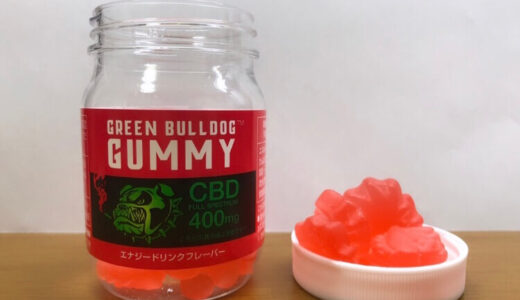
4位 GREEN BULLDOG(グリーンブルドッグ)
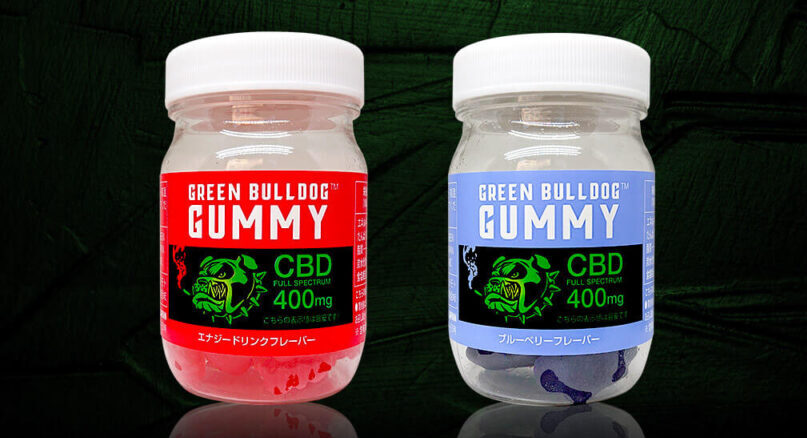
| 内容量 | CBD含有量 | フレーバー | 価格 |
| 20個 | 400mg | 2種 | 5,400円 |
グリーンブルドッグも日本のブランドだ。
こちらも安心感の点では優れており、CBD含有量は少ないが、フレーバーが2種用意されているため4位にランキングした。
なお、フレーバーの詳細は下記のとおり。
・ブルーベリー
・エナジードリンク
 【断言】GREEN BULLDOG(グリーンブルドッグ)のグミは美味しすぎる
レビュー:【断言】GREEN BULLDOG(グリーンブルドッグ)のグミが美味しすぎた
5位 CANNA NANO
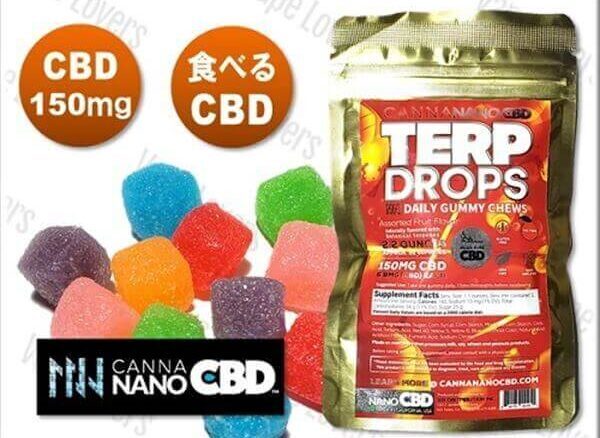
| 内容量 | CBD含有量 | フレーバー | 価格 |
| 22個 | 150mg | 5種 | 3,490円 |
CANNA NANO(カンナ ナノ)は、ナノテクノロジーによってCBD吸収率が高くなっているグミだ。
グミという表記だが、チューイングキャンディーに近い食感で、かまなくても口で溶ける感覚があった。
個人的に好きなグミの1つだが、CBD含有量は150mgと少なめい。そのためコスパが良いとは言えないので、その点は注意しておこう。
6位 HEMP Baby 1粒15mg版
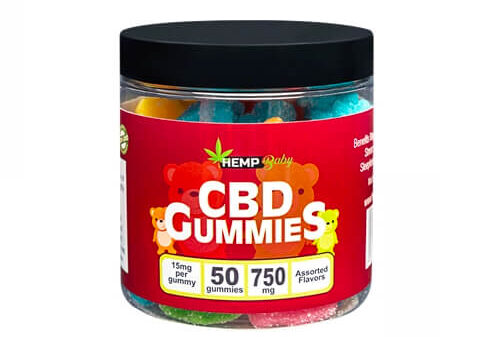
| 内容量 | CBD含有量 | フレーバー | 価格 |
| 5個 | 75mg | 5種 | 1,280円 |
| 25個 | 375mg | 5種 | 5,800円 |
| 50個 | 750mg | 5種 | 8,800円 |
| 100個 | 1500mg | 5種 | 14,280円 |
1位で紹介したHemp Babyの15mg版である。
「1個あたりのCBD含有量が少なめのグミが良い」と考える方には、こちらが1番最適なグミである。
やはりHEMP Babyの強みは、1つのボトルに5種のフレーバーが入っていることだ。
毎日楽しく飽きずに使えるため、私達は非常に満足しているグミである。
7位 CBD LIVING
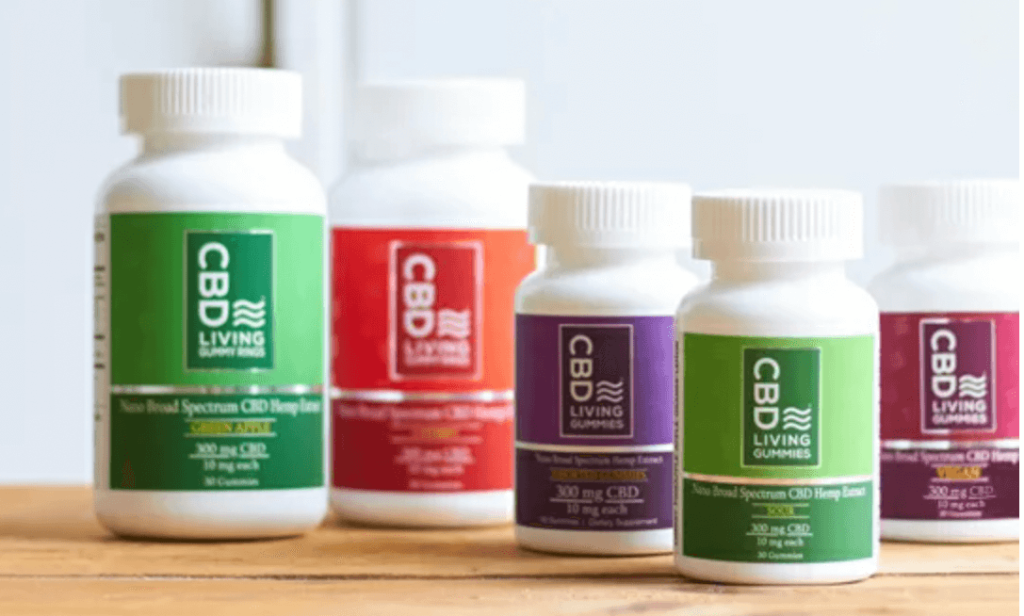
| 内容量 | CBD含有量 | フレーバー | 価格 |
| 30個 | 750mg | 5種 | 8,800円 |
CBD LIVINGは、とにかく質にこだわったCBDグミ・・という印象が強い。
価格は高めなのだが、「ヴィーガングミ」という名前から分かるように、配合する成分にもこだわりを持っている。
品質にとことんこだわりたい人に、おすすめできるCBDグミだ。
格安:20%オフクーポンについて
オトクな情報があるため、共有しておく。
1位、2位で紹介したHEMP BabyとCBD fxは、「CBDMANiA」というオンラインショップを利用することで、初回限定だが20%オフで購入することができる。
CBDは決して高くない買い物なので、こうしたオトクな買い方はぜひ身につけておきたいところだ。
なお私はCBDMANiAのヘビーユーザーであるため、そのクーポンの使い方をここで説明させていただく。
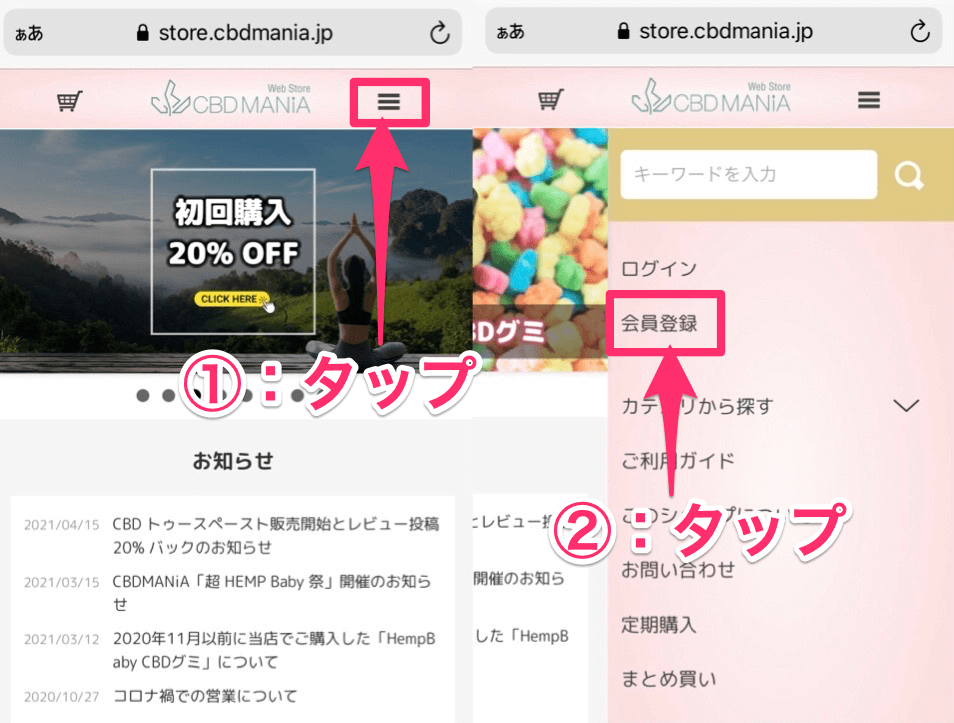
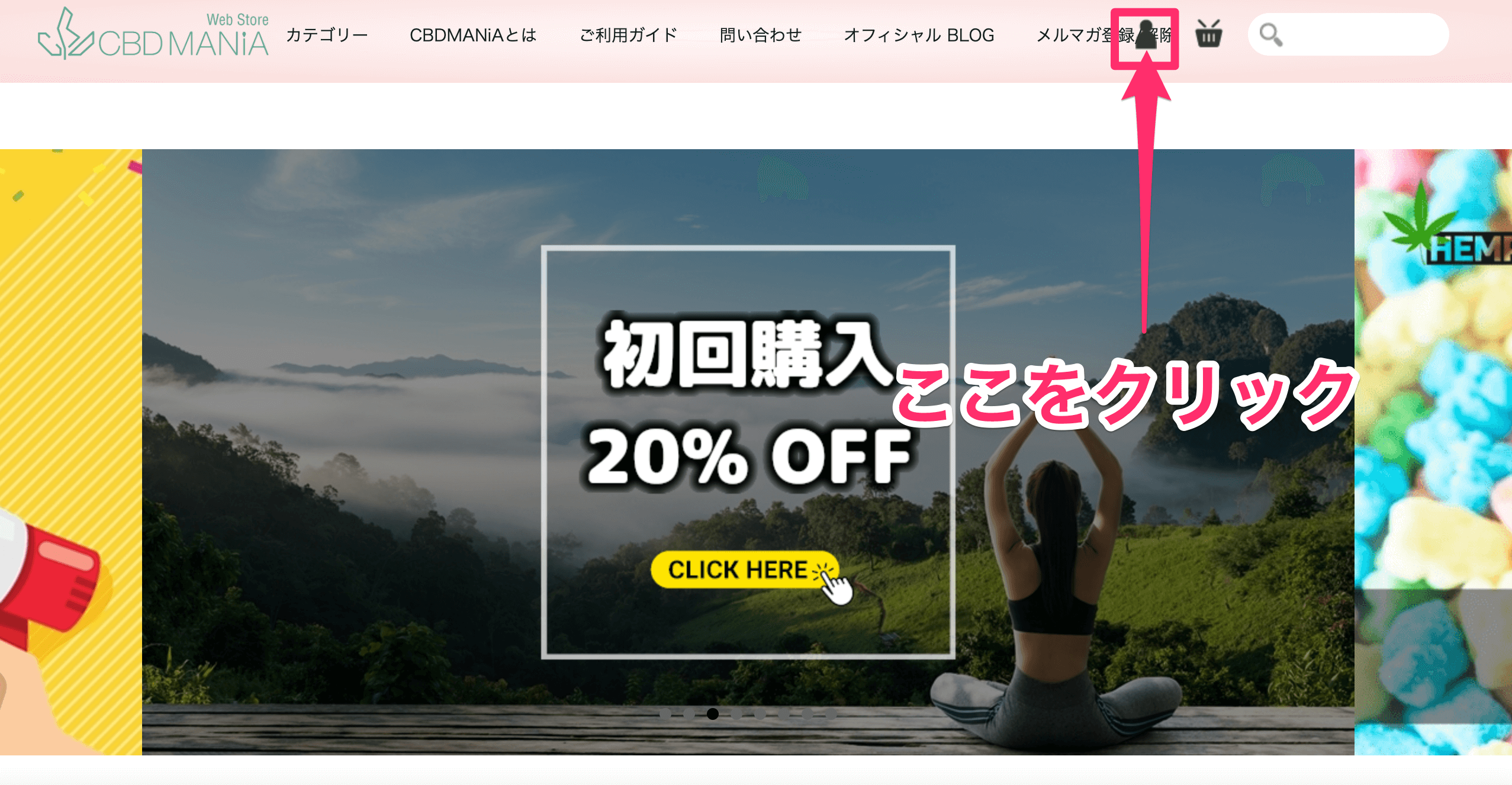
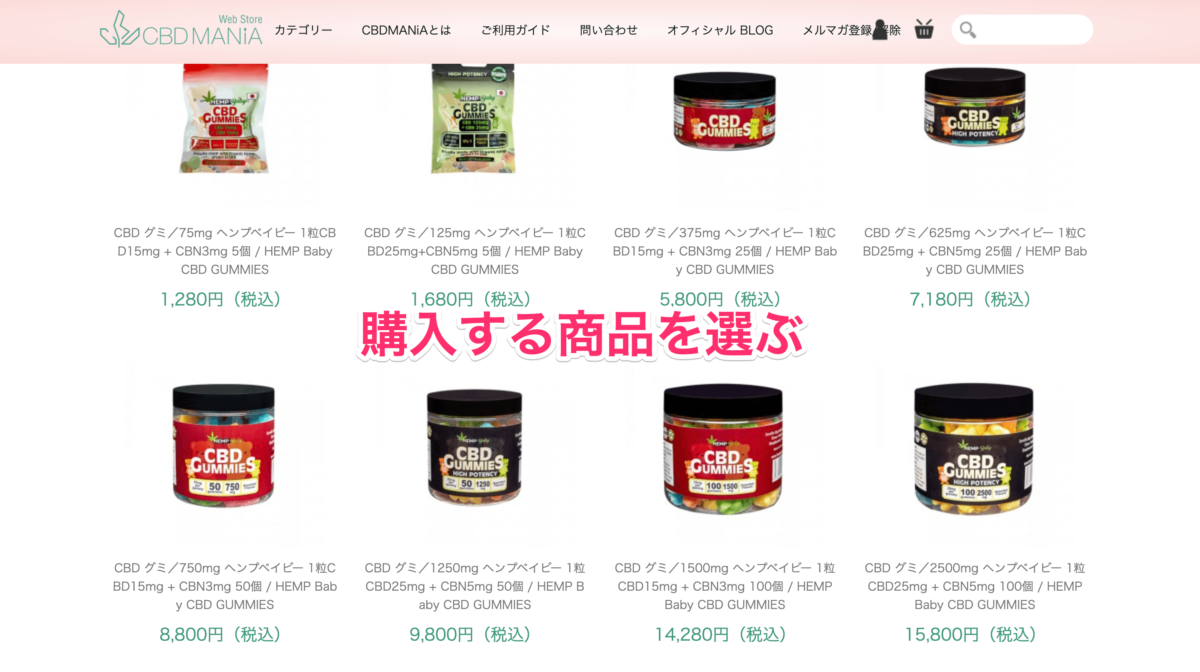
 商品を選択したら、「カートに入れる」をクリックしよう。
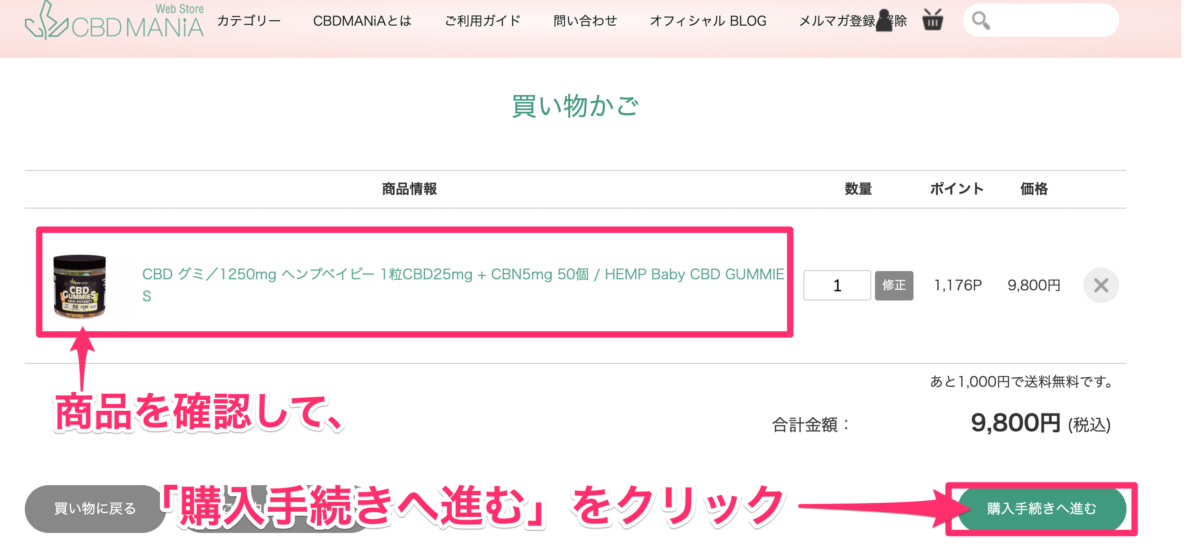 購入する商品が正しいことを確認する。
そして、「購入手続きへ進む」をクリックしよう。
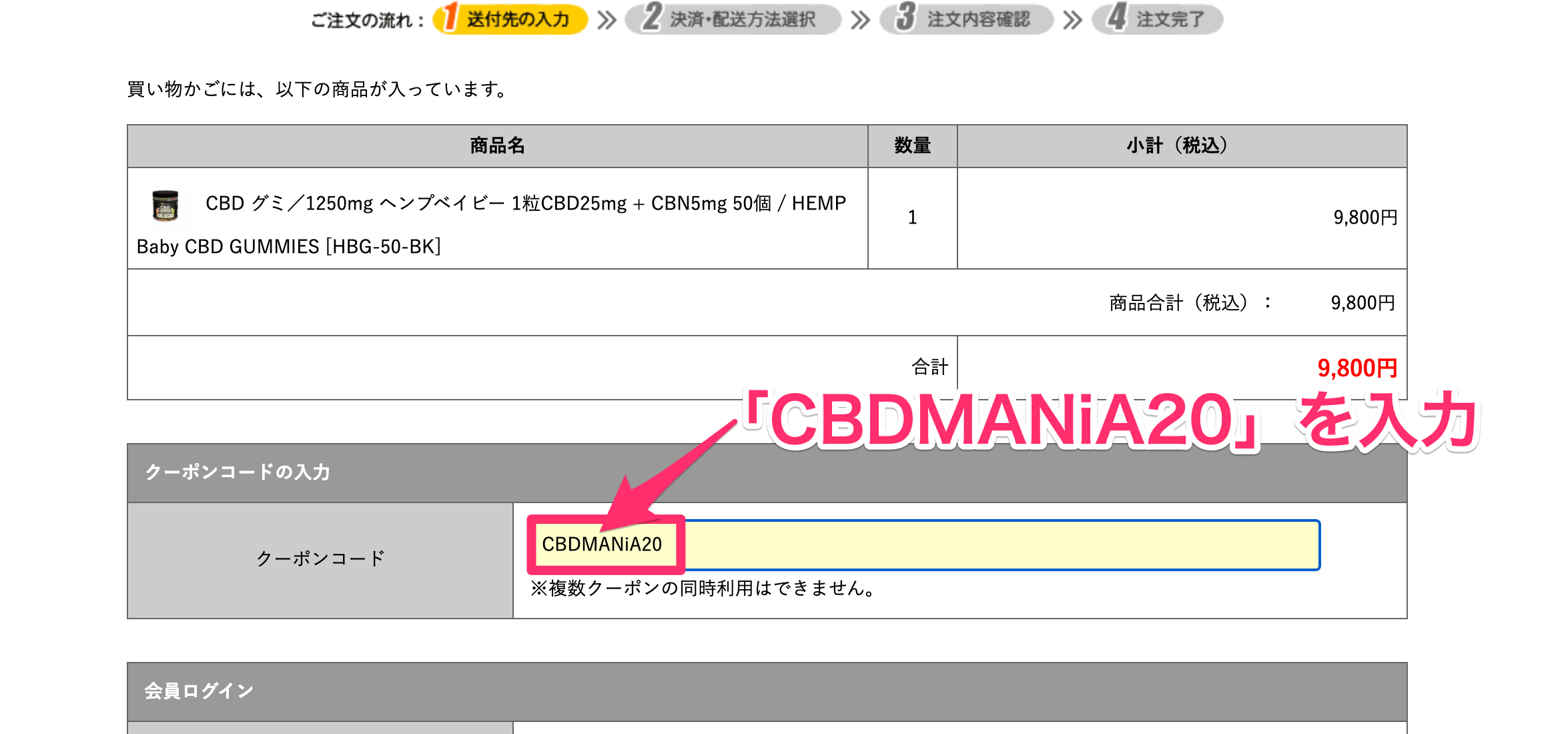 ここで、クーポンコード「CBDMANiA20」を入力する。
入力すれば、20%引きが適用される仕組みだ。
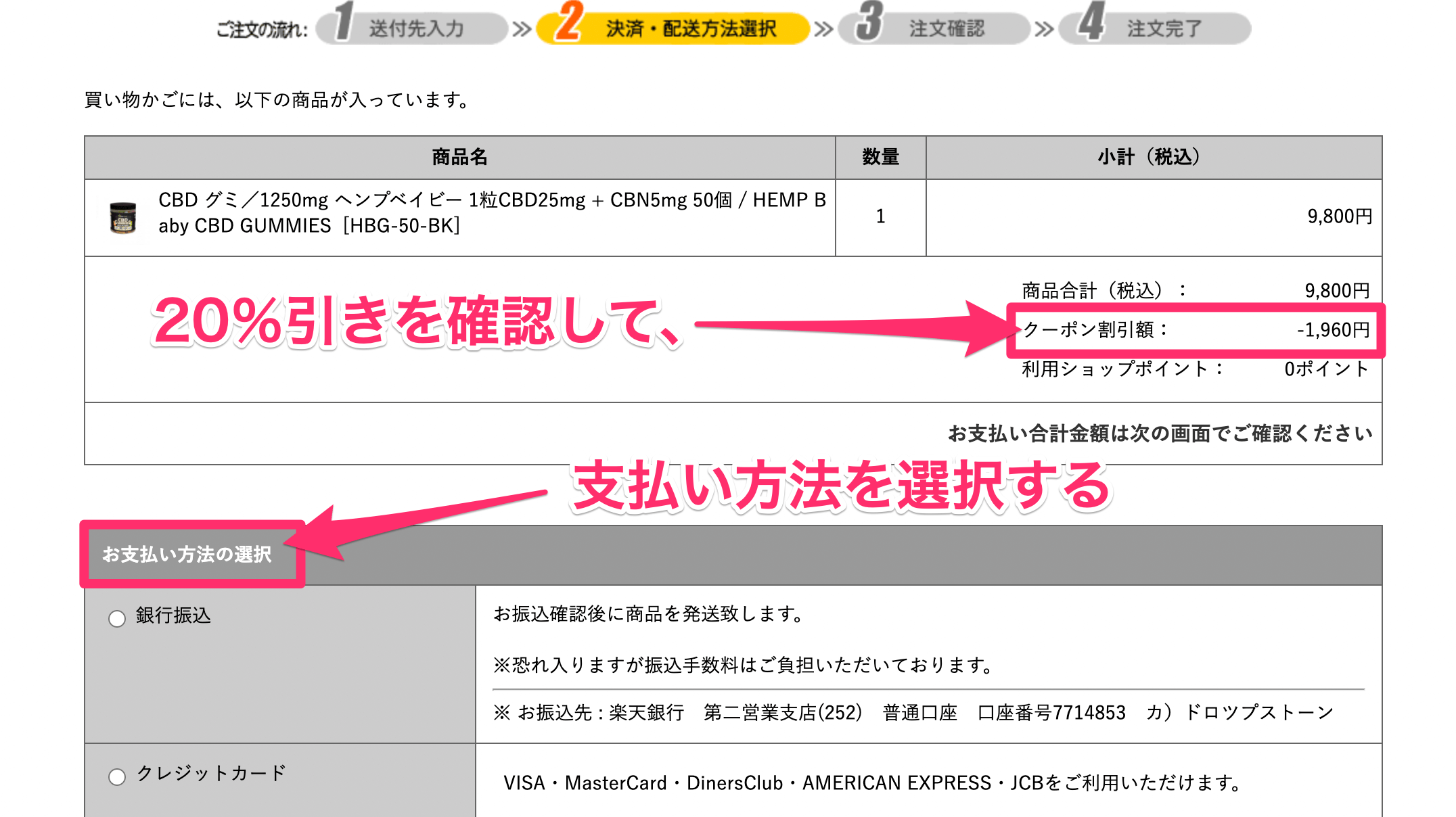 まずは20%引きを確認しよう。
そして、支払い方法の選択へと進んでいく。
なお、支払いには下記4種類が利用可能だ。
・銀行振り込み
・クレジットカード
・楽天Pay
・PayPay
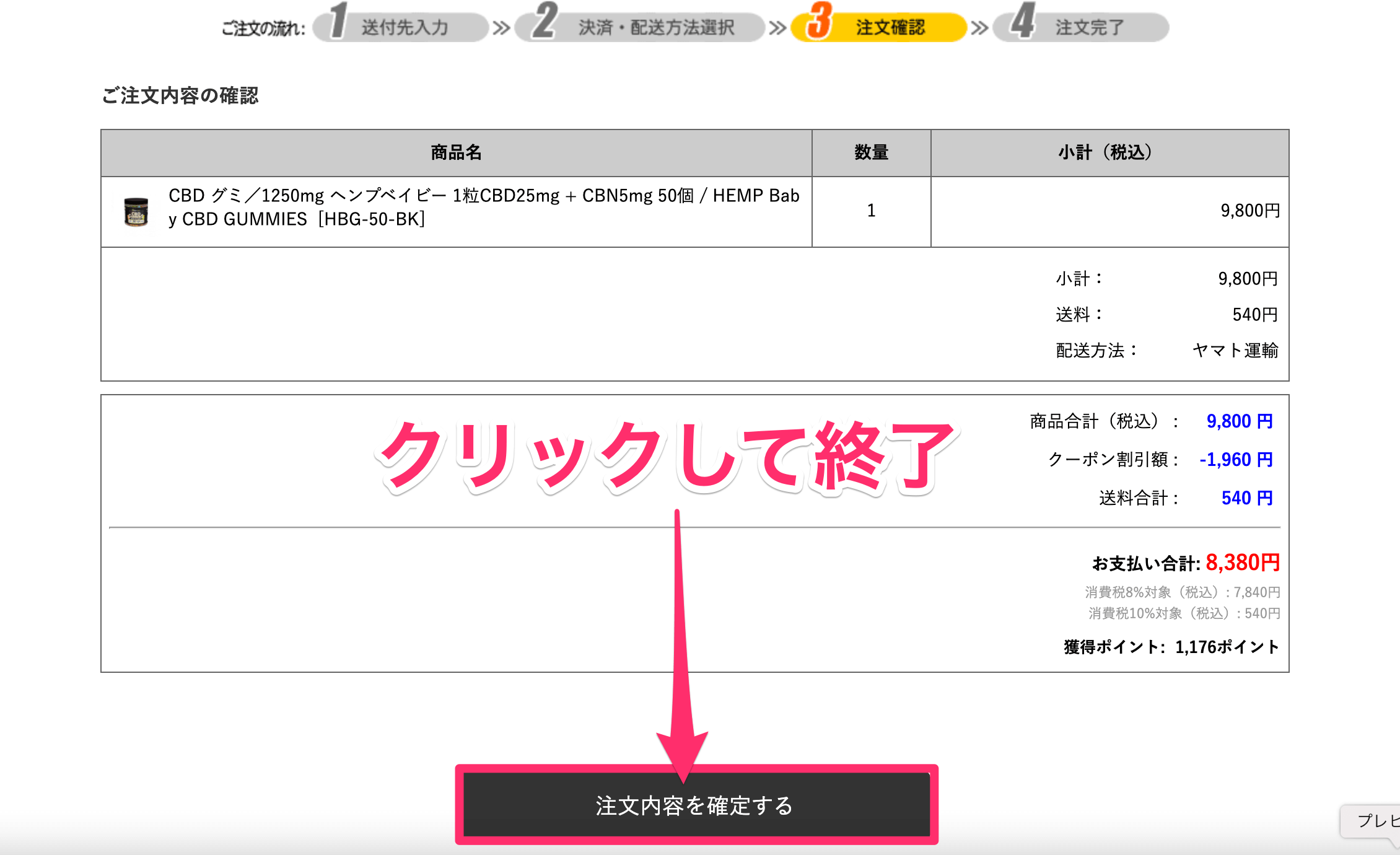 最終確認のあと、「注文内容を確定する」をクリックして終了だ。
なお配送は「ヤマト運輸」のため1~2日で届く。
20%クーポンの使い方は上記のとおりだ。
なおCBDMANiA内で販売されているものなら、初回限定だがすべて20%オフになる。
ぜひ、有効活用してほしい。
安いCBDグミのおすすめ5選
ここからは、「価格」だけに的をしぼった、安いCBDグミを5つ紹介する。
CBDグミの「お試し品」を探している方には、価値ある内容であるはずだ。
安い順で、紹介していく。
その①:California Grown 1,080円
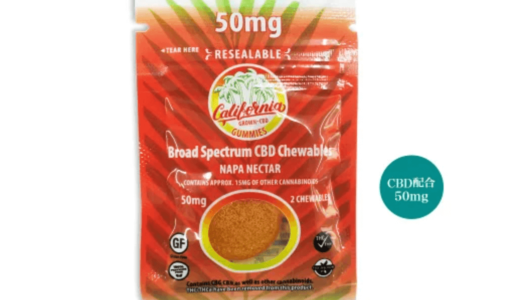
| 内容量 | CBD含有量 | フレーバー | 価格 |
| 2個 | 50mg | 1種 | 1,080円 |
内容量は2個のため、コスパは良くない。
しかし、これがCBDグミの中で最安値になるものだ。
その②:HEMP Baby 15mg版 1,280円

| 内容量 | CBD含有量 | フレーバー | 価格 |
| 5個 | 75mg | 5種 | 1,280円 |
内容量が5個なので、California Grownよりは楽しめる。
価格も非常にお手頃なので、お試し品としては最適だろう。
その③:HEMP Baby 25mg版 1,680円
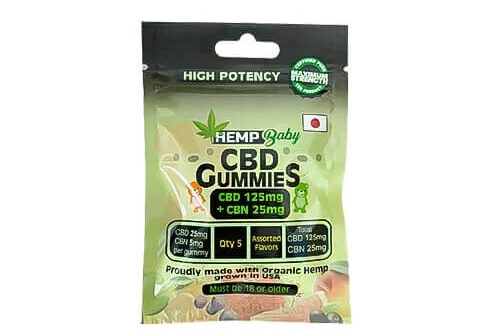
| 内容量 | CBD含有量 | フレーバー | 価格 |
| 5個 | 125mg | 5種 | 1,680円 |
こちらも同じく、5粒入りである。
もしHEMP Babyのどちらかを買うなら、効き目が高い25mg版にしておくべきだ。
ここで400円をケチってしまうのは、非常にもったいない。
その④:CBDfx 1,930円
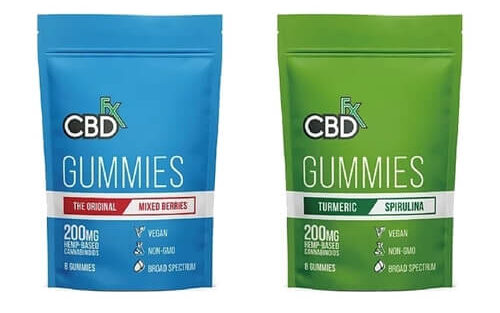
| 内容量 | CBD含有量 | フレーバー | 価格 |
| 8個 | 200mg | 2種 | 1,930円 |
ジップロック式になっているため、外に持ち出したい人には最適なタイプだ。
スナック感覚でCBDを摂取できるので、こちらも要チェックである。
その⑤:EAST 2,100円
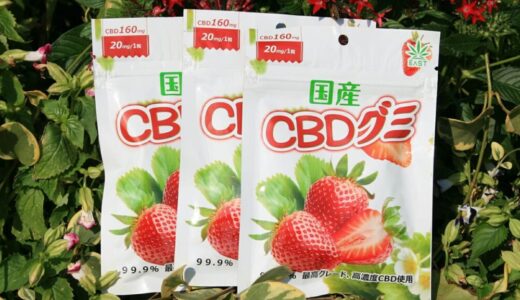
| 内容量 | CBD含有量 | フレーバー | 価格 |
| 8個 | 160mg | 1種 | 2,100円 |
袋が某有名グミと似ているが、そこは気にしないでおこう。
ドンキホーテにも販売されているため、一部の層には人気となっているCBDグミだ。
補足:低価格のグミはおすすめできない
申し訳ない。
「おすすめの安いCBDグミはこちら〜」と紹介しておきながらだが、やはり上記の安いCBDグミは、コスパが悪すぎるので個人的にはおすすめできない。
きっと、そちらの方が下手な失敗をせず、かつ満足度も確実に高まるはずだ。
1年以上のCBD経験から、そう断言できる。
CBDグミの選び方【未経験者へ捧ぐ】
CBDグミを選ぶ時は、以下のことに気をつけると良い。
・内容量
・CBD含有量
・フレーバー
こちらも1つずつ、細かく説明していく。
選び方の基準①:内容量
先ほども話したが、内容量はできたら50個以上のグミを選ぶのが良い。
なぜなら、CBDは継続的に使用するからこそ、より高い効果を感じることができるからだ。
ちなみに私は、期間を空けて1週間グミを食べる、1ヶ月グミを食べるといった生活を送ってみた。
すると、やはり1ヶ月使用した時の方が寝つきの良さなど、いわゆるCBDの効果をより感じることができたのだ。
だからこそ、CBDグミを買うときは50個以上の、つまり「1ヶ月使用できるグミ」を選んで欲しい。
その点を意識すれば、失敗しないグミ選びができるはずだ。
選び方の基準②:CBD含有量
個数と同じくらい、グミ1個当たりのCBD含有量も重要だ。
なぜなら、CBD含有量が少なければ効き目は”うすく”なり、人によっては「ふつうのグミを食べているだけじゃないか?」と感じる場合もあるからである。
なお具体的には、ランキングの1位から3位で紹介した、下記3つのグミが「1粒25mg」の最高タイプなのでおすすめだ。
正直な所、上記3つはハズレのないグミであるため、悩む人はこの中から選ぶのが良いと思う。
選び方の基準③:フレーバー
CBDグミは「食べる」CBDなので、フレーバーの存在も重要だ。
となると圧倒的におすすめできるのが、1つのボトルに5種のフレーバーが入っているHEMP Babyになる・・というのが良く分かると思う。
雑になって申し訳ないが、初めてのCBDグミならHEMP Babyを選んでおくのが1番良い。
CBD含有量も多い、味も飽きない美味しさである、もちろんコスパも優れている・・。
もし私の友達がCBDグミ選びに悩んでいたら、1mmの迷いもなくHEMP Babyをおすすめすると思う。
少し胡散臭くなったが、それくらいおすすめできる「良品」というわけだ。
下手にCBDグミ選びで失敗したくない人は、HEMP Babyが無難である。
なお20%オフクーポンの使い方を分からない人は、「クーポンの使い方」を再度確認して欲しい。
CBDグミに関するよくある疑問
最後に、下記3つの疑問に答えていく。
①:違法性・危険性について
②:CBDグミの食べ方について
③:食べ過ぎの基準について
①:違法性・危険性について
結論から言うと、違法性や危険性などの心配は一切いらない。
というのも、日本で販売されているCBDは、すべて「国」が許可を出している商品だからだ。
また、1年以上CBDを使用している私はCBDによって体調がおかしくなった・・という経験もない。
むしろ、CBDによってQOL(生活の質)は上がったと感じるくらいだ。
まずは体験してみて欲しい。CBDに対して過度な心配は必要ない。
②:CBDグミの食べ方について
グミなので、基本的にはいつものおかし感覚で食べてもらって構わない。
とはいえ、「舌の下」でCBDグミを溶かすように食べると吸収率が上がるので、より効果を感じられるのだ。
ぜひ、意識して欲しいポイントである。
③:食べ過ぎの基準について
1日に1500mgのCBDを摂取しても問題はないというデータがある。
>>引用:Safety and side effects of cannabidiol(英語記事)
つまりCBDグミ(1粒25mg)を1日に60粒食べても、問題はない・・というわけだ。
しかし、そもそも1日60粒のグミを食べるのは常識的ではないため、食べ過ぎの観点はあまり気にする必要はないと思う。
1日に1粒〜2粒。これで充分に効果を感じるはずだ。
まとめ:CBDグミは最強の自己投資である
再度、CBDグミのおすすめを書いておく。
1位 Hemp Baby 1粒25mg版
2位 CBDfx
3位 プラスウィード
4位 グリーンブルドッグ
5位 CANNA NANO
6位 Hemp Baby 1粒15mg版
7位 CBD LIVING
CBDグミは、「食べるだけ」でCBDを体感できるので、非常にコスパの良い自己投資だと感じる。
価格が高いように思えるかもしれないが、コンビニで浪費しているわけではなく、「自分の体のため」にお金を使うので、悪くないはずだ。
私含めて、CBDで救われた人は多い。
私は非常に満足しているので、ぜひこの機会にCBDを体験してみて欲しい。
食わず嫌いはもったいない。